
Men's Health Month: Colon Cancer Screening, Diabetes Prevention & Preventive Care | OakBend
This information is meant to help guide healthcare decisions. If you are experiencing life-threatening symptoms, seek emergency medical care immediately.
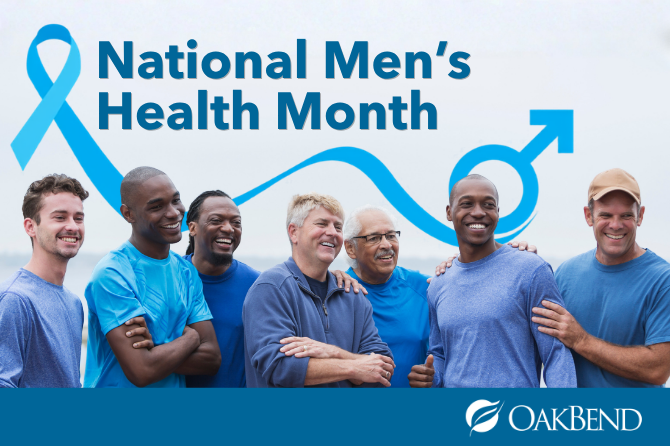
June is Men’s Health Month, a reminder that taking care of yourself is one of the most important things you can do for the people who depend on you.
Many men spend their lives putting family, work, and responsibilities first. While those commitments matter, putting off checkups, screenings, or conversations about health can have serious consequences.
In a recent episode of Cup of Joe, OakBend Medical Center CEO Joe Freudenberger sat down with Family Practice Physician Dr. Jose Anzaldua to discuss why making your health a priority today can help you be there for your loved ones tomorrow.
Men Often Wait Too Long
One of the biggest challenges in men’s health is that many men simply don’t go to the doctor unless something feels seriously wrong.
“Men tend to put their jobs, responsibilities, and families before their own health,” Dr. Anzaldua explained. “There are so many missed opportunities to get checkups and catch problems early.”
The reality is that many serious health conditions don’t cause symptoms in their early stages. High blood pressure, diabetes, high cholesterol, heart disease, and even certain cancers can develop quietly for years before they are discovered.
That’s why preventive care matters.
An annual physical gives your physician the opportunity to identify potential problems before they become major health concerns. It also creates a relationship with a provider who understands your medical history, risk factors, and health goals.
When that interruption happens, brain cells begin to die within minutes. That’s why stroke is considered a medical emergency and remains one of the leading causes of long-term disability in the United States.
According to the American Stroke Association, someone in the United States experiences a stroke every forty seconds, underscoring how important awareness and fast treatment truly are.
Speaking Up Isn’t Weak
Many men grow up believing they need to “tough it out” when something doesn’t feel right.
Whether it’s physical pain, fatigue, stress, anxiety, depression, or simply feeling overwhelmed, too many men suffer in silence because they believe asking for help is a sign of weakness.
It’s not.
Speaking up about your health is one of the strongest things you can do.
Dr. Anzaldua emphasized the importance of honest communication with your physician. When something feels off, don’t ignore it. Don’t wait months hoping it will go away.
Your doctor is there to listen, answer questions, and help you find solutions.
The sooner a concern is addressed, the more options there are for treatment and the better the outcome is likely to be.
Your Mental Health Matters Too
Men’s health is about more than blood pressure numbers and lab results.
Mental health plays an important role in overall wellness. Stress, anxiety, depression, burnout, and sleep problems can affect every aspect of your life, from your relationships to your physical health.
Poor sleep can contribute to high blood pressure, heart disease, diabetes, and chronic fatigue. Conditions like sleep apnea often go undiagnosed because many people dismiss the symptoms as simply being tired.
If you have noticed changes in your mood, energy level, sleep habits, or ability to handle everyday stress, talk with your physician.
Taking care of your mental health isn’t weakness. It’s healthcare.
Don’t Skip These Important Screenings
As men get older, preventive screenings become even more important.
Dr. Anzaldua recommends staying current with screenings and evaluations that can identify health concerns before symptoms appear.
These may include:
- Colon cancer screenings beginning at age 45
- Blood pressure monitoring
- Diabetes screening
- Cholesterol testing
- Heart disease risk assessments
- Prostate health discussions with your physician
Many of these tests take only a few minutes but can provide information that may ultimately save your life.
Colon Cancer Often Has No Symptoms
Colon cancer is one of the most preventable cancers when detected early, yet many people continue to delay screening.
Dr. Anzaldua shared the story of a patient he encouraged for years to schedule a colonoscopy. The patient repeatedly postponed the test.
Finally, after his wife insisted he make the appointment, he underwent the screening.
The colonoscopy revealed colon cancer.
Fortunately, it was caught early enough for treatment.
That story serves as an important reminder that screenings are recommended for a reason. Colon cancer often develops without noticeable symptoms, which is why routine colon cancer screening is so important. According to the American Cancer Society Colon Cancer Screening Guidelines, adults at average risk should begin regular colorectal cancer screening at age 45.
A colonoscopy can identify and remove precancerous polyps before they become cancer, giving patients the opportunity to prevent a serious disease before it starts. Adults age 45 and older should talk with their physician about when to begin routine colon cancer screening. OakBend physician Dr. Genna Lubrano performs colonoscopy procedures and helps patients understand their screening options and recommended timelines. If you have not had one and you are at the age that it is recommended, schedule one today.
Early Detection Can Make All the Difference
Preventive care goes beyond routine office visits.
Sometimes your physician may recommend additional diagnostic testing to investigate symptoms, evaluate risk factors, or confirm a diagnosis.
Depending on your individual needs, this may include:
- CT scans
- MRI scans
- Ultrasounds
- Laboratory testing
- Cardiac evaluations
Access to advanced diagnostic testing and medical imaging can help physicians identify health concerns earlier and begin treatment sooner. For patients in Richmond and the surrounding communities, OakBend Medical Center provides advanced imaging services to support early diagnosis and treatment.
Diabetes Can Lead to Serious Complications
Diabetes affects millions of Americans and is one of the most common chronic conditions seen by primary care providers. The CDC Diabetes Statistics Report that more than 40.1 million Americans are living with diabetes, making it one of the nation’s most common chronic health conditions.
When diabetes is not properly managed, it can lead to serious complications throughout the body.
One concern is the development of diabetic foot ulcers, diabetic sores, and ulcers on the legs caused by poor circulation and nerve damage. These wounds can become difficult to heal and may increase the risk of infection.
Regular checkups, blood sugar monitoring, and early treatment are essential to preventing complications before they become serious.
If you notice a wound that isn’t healing properly, seek medical attention as soon as possible. OakBend’s Wound Care Center offers specialized treatment for diabetic foot ulcers, diabetic sores, and other chronic wounds, helping patients heal safely and avoid serious complications.
Taking Care of Yourself Helps You Take Care of Others
At the end of the day, men’s health isn’t just about adding years to your life. It’s about adding life to your years.
It’s about being there for family dinners, birthdays, vacations, graduations, and all of the moments that matter most.
Getting an annual physical. Scheduling a colon cancer screening. Talking to someone about stress or anxiety. Following up when something doesn’t feel right.
These aren’t signs of weakness.
They’re signs that you care enough about yourself and the people you love to stay healthy.
This Men’s Health Month, make yourself a priority. Because when you take care of yourself, you’re better able to take care of the people who count on you every day.
Schedule an appointment with Dr. Jose Anzaldua or another OakBend Medical Group provider online or call (281) 238-7870 today!