Colorectal Cancer Awareness Month: What You Need to Know About Screening and Prevention
March Is Colorectal Cancer Awareness Month: What You Need to Know About Screening and Prevention
This information is meant to help guide healthcare decisions. If you are experiencing life-threatening symptoms, seek emergency medical care immediately.
March is Colorectal Cancer Awareness Month, a time dedicated to raising awareness about one of the most preventable and treatable forms of cancer when caught early.
But despite advances in screening and treatment, colorectal cancer remains one of the leading causes of cancer-related deaths in the United States. According to the American Cancer Society, colorectal cancer is the third most commonly diagnosed cancer in both men and women. The reason? Many people don’t realize they’re at risk, or they delay screening until symptoms appear.
The encouraging news? Screening can prevent colorectal cancer or detect it early when treatment is most effective.
To help shed light on this important topic, we spoke with Dr. Nitesh Vachhani, who shared valuable insights on colorectal cancer, why early detection matters, and what you can do to protect your health.
Why Is Colorectal Cancer Often Called a “Silent Killer”?
One of the most concerning aspects of colorectal cancer is that it often develops quietly.
In its early stages, the disease may not cause noticeable symptoms. Many people experience little to no noticeable symptoms. Polyps, small growths inside the colon or rectum, can form and grow gradually for years before causing symptoms.
According to Dr. Vachhani, colorectal cancer can progress slowly over time, sometimes for years, before a person realizes something is wrong. Because symptoms may not appear right away, many cases are discovered later than they should be.
That’s why routine screening is so important. Detecting colorectal cancer early dramatically increases the chances of successful treatment and can even prevent cancer from developing in the first place.
What Is the Number One Risk Factor for Colorectal Cancer?
Age is the most significant risk factor for colorectal cancer.
The Centers for Disease Control and Prevention (CDC) reports that about 90% of colorectal cancer cases occur in people aged 45 and older.
While the disease can affect younger individuals, the risk increases significantly as people get older. For this reason, screening guidelines now recommend that most adults begin colorectal cancer screening at age 45.
Dr. Vachhani emphasizes that starting screening at the recommended age helps detect abnormalities early, often before they become serious.
Learn more about colorectal cancer screening guidelines from the CDC.
Other Risk Factors for Colorectal Cancer
While age plays the largest role, several other factors can increase the likelihood of developing colorectal cancer. These include:
- A family history of colorectal cancer
- Certain inherited genetic conditions
- Inflammatory bowel diseases such as Crohn’s disease or ulcerative colitis
- Smoking or heavy alcohol use
- Diets high in processed or red meats
- Lack of physical activity
Understanding your personal risk factors can help guide conversations with your healthcare provider about when and how to begin screening.
What Is the Best Screening Test for Colorectal Cancer?
When it comes to screening, colonoscopy remains the gold standard.
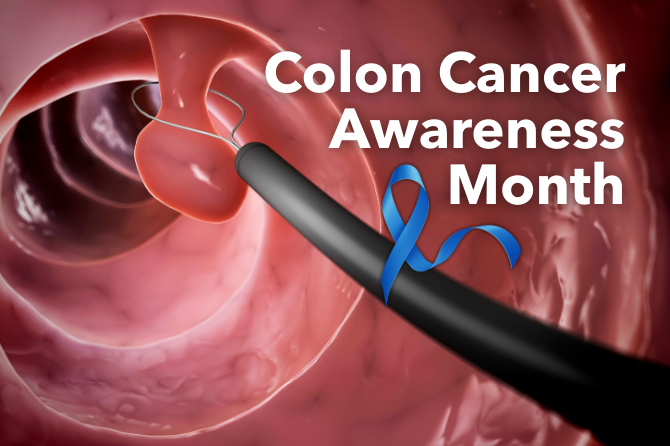
During a colonoscopy, doctors can examine the colon and identify small growths called polyps. These polyps can often be removed during the same procedure, before they have a chance to develop into cancer.
This makes colonoscopy unique because it’s not just a test for detecting cancer; it’s also a powerful tool for preventing it.
When Should You Get Screened
For most adults, colorectal cancer screening should begin at age 45, even if you feel completely healthy.
However, people with certain risk factors, such as a strong family history of colorectal cancer, may need to begin screening earlier.
Dr. Vachhani encourages patients not to wait for symptoms before getting screened.
By staying proactive about screening, individuals can take an important step toward protecting their long-term health.
Take the Next Step for Your Health
Colorectal Cancer Awareness Month is a powerful reminder that early detection saves lives.
If you are 45 or older, or have risk factors for colorectal cancer, now is the time to talk with your doctor about screening.
At OakBend Medical Center, our team is committed to helping patients take proactive steps toward better health.
You can schedule your colorectal cancer screening with Dr. Lubrano, whose expertise and dedication to patient care make her a trusted partner in prevention and early detection.
Visit her website or call 281-497-0296 to schedule your appointment today.
Because when it comes to colorectal cancer, early screening can make all the difference.