New Year’s Fireworks Still Cause Injuries - Here’s How to Celebrate Safely
This information is meant to help guide healthcare decisions. If you are experiencing life-threatening symptoms, seek emergency medical care immediately.
As the clock counts down to midnight, many New Year’s celebrations include fireworks and sparklers. While they can be exciting, fireworks also cause thousands of preventable injuries every year.
The safest way to enjoy fireworks is at a public display run by trained professionals. Still, many families celebrate at home. Even when fireworks are legal, they are not always safe.
Understanding the risks and how to reduce them can help ensure your New Year starts with celebration, not injury.
Firework Injuries Are More Common Than You Think
Each year, thousands of people require medical treatment for firework related injuries. Children and young adults are among the most frequently injured.
Many serious injuries occur when people attempt to use professional grade, homemade, or illegal fireworks. But even smaller consumer fireworks can cause significant harm. Firecrackers and sparklers can lead to burns, eye injuries, and wounds to both users and nearby bystanders.
According to the National Fire Protection Association, sparklers alone account for more than 25 percent of emergency room visits related to fireworks injuries.
Why Sparklers Are Especially Dangerous for Children
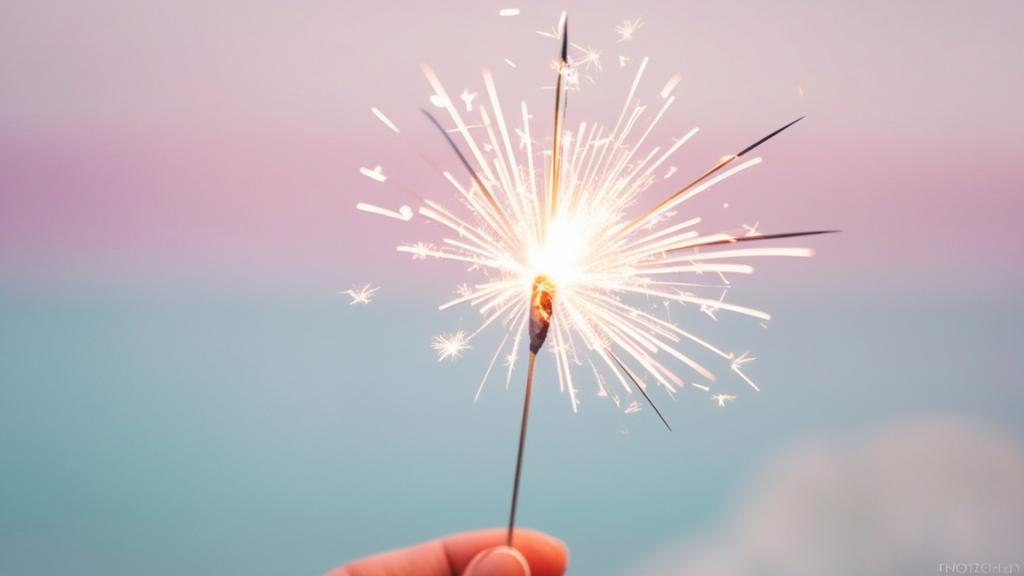
Sparklers may look harmless, but they burn at temperatures exceeding 1,000 degrees. That is hot enough to ignite clothing and cause severe burns.
For children under age five, nearly half of all firework related injuries involve sparklers. Because of this risk, parents and caregivers are encouraged to choose safer alternatives such as glow sticks, LED light toys, confetti poppers, silly string, or colorful streamers.
Firework Safety Tips for New Year’s Celebrations
If consumer fireworks are legal in your area and you choose to use them, following basic safety precautions can make a big difference.
Always read and follow label instructions, and purchase fireworks only from reputable sources. Alcohol and fireworks should never mix. Designate a sober adult to handle lighting.
Never allow young children to handle fireworks. Older children should only participate under close adult supervision. Wear protective eyewear, light one firework at a time, and move away quickly after lighting.
Additional firework safety guidance is also available from the U.S. Consumer Product Safety Commission, which tracks firework injuries nationwide.
Never ignite fireworks indoors, point them at people or animals, or attempt to relight malfunctioning fireworks. Keep water nearby, store fireworks properly, and soak used fireworks before discarding.
Remember, individuals can be held legally and financially responsible for injuries or property damage caused by fireworks.
Don’t Forget About Your Pets
Fireworks can be extremely stressful for pets. Keep them indoors, close curtains or blinds, and use background noise like a TV or music to reduce anxiety. Familiar toys or blankets can also help them feel secure.
What to Do If a Firework Injury Occurs
If a burn injury occurs, cool the area with cool, not ice cold, water. Remove nearby clothing or jewelry and loosely cover the area with a clean, dry bandage. Seek medical attention promptly to prevent complications.
If you or a loved one experiences an injury during New Year’s celebrations, getting timely medical care is important. Our teams at OakBend’s No-Wait ERs are focused on providing safe, compassionate treatment to help you heal. Additional information about wound care, hand therapy, and related services is available on our website or by calling 281-341-3000.